Modeling an OAuth-Aware Stateful REST Simulator Your Entire Auth Test Suite Can Share
A shared simulator that remembers state makes OAuth tests trustworthy.
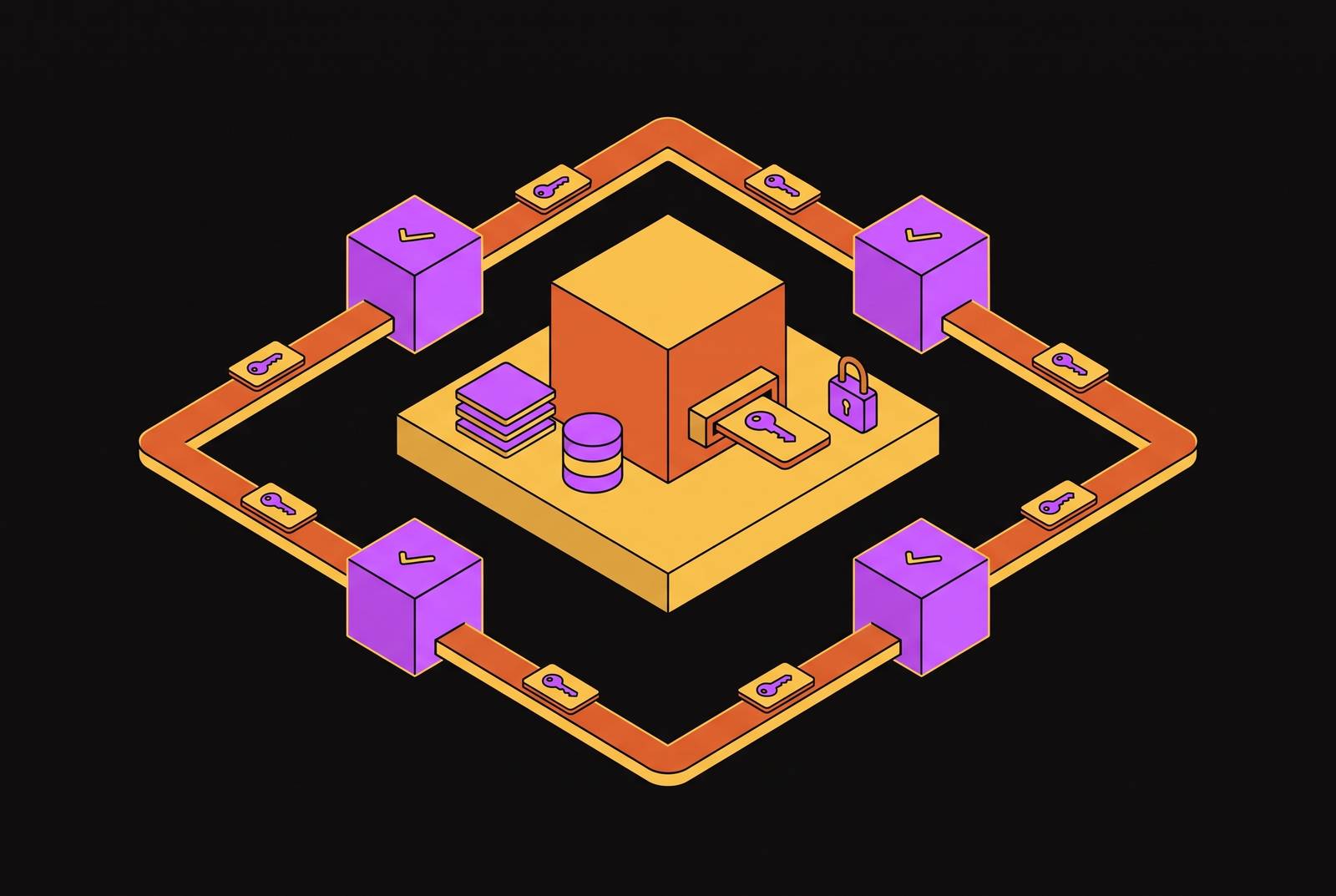
To integration-test stateful APIs without hitting production, use a shared REST simulator that remembers authorization and resource state from one call to the next. For OAuth, correctness depends on those connections, including the binding between a code and its verifier and the token that gates downstream requests. Namespaced state, reproducible scenarios, and continuous verification against the live API make that simulator a reliable foundation for the entire auth test suite.
Why OAuth flows break stateless mocks and demand a simulator that holds state
A test can pass authorization, token exchange, and resource access separately while never checking that the exchanged code belongs to the authorization request. The token endpoint may accept a verifier unrelated to the original PKCE challenge because its mock always returns the same successful response. Every endpoint assertion passes, but the binding remains untested. OAuth 2.0 authorization flows have steps that must run in order because later steps depend on decisions made earlier.
A stateless mock leaves the state needed to enforce those dependencies untracked, including which code it issued, whether that code was consumed, and whether a token was revoked before the next resource call. Consequently, isolated assertions miss interaction failures such as code reuse, scope escalation, and refresh tokens that remain valid after rotation. Authorization Code with PKCE, Client Credentials, and refresh flows each have their own steps, but all need to keep state from one step to the next.
The state a simulator must track to cover the full OAuth lifecycle
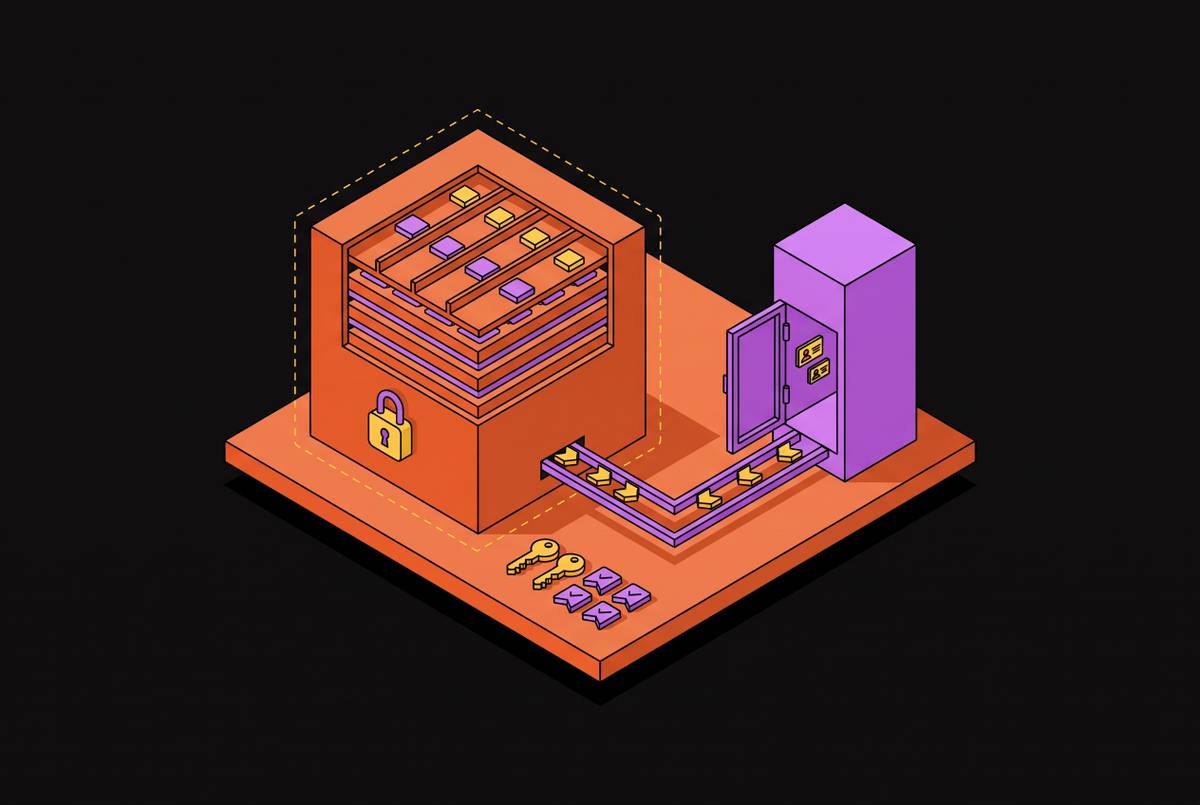
The simulator needs four categories of state across calls, including pending authorization requests, issued codes, live and revoked tokens, and per-client scope grants. Pending requests answer whether authorization still belongs to the original request. That requires retaining the state parameter for CSRF binding, the redirect_uri, the code_challenge, and the code_challenge_method. Expiry belongs here too. An authorization request that times out before approval must not lead to a successful exchange, and the exchange must check the code_verifier against the stored challenge.
Each code must remain bound to the client_id and redirect_uri that requested it and be marked used on its first exchange. A second exchange must fail. The simulator must also cover invalidation of tokens already issued against a reused code. Otherwise, it tests rejection without testing the consequence for existing access.
The token ledger shows whether access is still valid. It keeps the access-token scope, expiry, and the linked refresh-token reference, and tracks refresh-token rotation and revocation. When rotation applies, using a refresh token invalidates the old token and records the replacement. Per-client grants keep track of both the requested scope and the granted scope because the server may downscope. Resource endpoints must consult that same ledger, rejecting revoked tokens and tokens whose grants do not cover the requested operation.
How the shared-simulator model lets an entire test suite exercise real flow behavior without duplicating infrastructure
A shared simulator preserves lifecycle continuity across a suite. A token issued during setup can later be refreshed, used against a resource, and revoked without rebuilding its history in another mock. A scope grant set by a fixture can also control access in a downstream resource test. These are connected checks of one evolving state. A fresh instance for each test can test a flow correctly, but keeping that history across tests means recreating the steps in each instance.
If parallel runs change the same token state, interference from another run may cause a test to fail. Namespacing gives each run or suite its own client_id namespace in the shared process, so tests in the same run share state while other runs stay separate. Centralized OAuth and token-auth profiles then let a scope or redirect_uri change propagate through one client configuration, avoiding changes to dozens of mock definitions.
What the simulator's state model must add to handle the downstream APIs that OAuth gates
Stripe retries undelivered webhooks, while PayPal retries failed deliveries multiple times over days. Those behaviors require more than an endpoint that emits an event once. The simulator must retain the event and its delivery state so that a failed attempt can lead to another delivery and an acknowledgment can change what happens next. Without it, retry tests have no delivery history to check. Deduplication and handler idempotency depend on that history.
A charge creates a record that a later webhook references, a GitHub pull request must exist before a subsequent review call, and a posted Slack message must appear in channel history. The simulator therefore needs two linked ledgers, one for authorization and another for resources, records, and events. Access is the link between them. Every resource operation must check that a token is valid and in-scope before it reads or changes resource state, and later calls must see that change.
Why continuous verification against the live API is what keeps a shared simulator trustworthy over time
Stripe documents that sandbox settings and capabilities are not synchronized with live settings and capabilities and can diverge over time. This makes the drift risk concrete even for environments associated with the service itself. A simulator frozen at one point faces the same structural problem. Shared infrastructure amplifies the consequence. If its model becomes inaccurate, the whole suite can pass against behavior that the real service no longer provides.
Continuous verification makes fidelity a measured, versioned artifact. The simulator is probed against the live API before every release, and a published per-API score shows the coverage developers can rely on. When service behavior changes, a diff exposes the change and adoption requires explicit opt-in, much like a dependency update. This separates routine test execution from live-service comparison. It also gives teams a basis for deciding which behaviors need live confirmation rather than treating every simulator response as authoritative.
That does not make frozen fixtures obsolete. A regression test for the exact byte layout that once broke retry or deduplication logic can legitimately remain pinned. Drift detection applies to the shared simulator’s live model. The simulator occupies a deliberate middle layer between stateless stubs and live sandboxes.
Running the shared simulator in CI: how the auth flow maps to a fast, deterministic pipeline
Live OAuth endpoints expose CI to sandbox timeouts, token-endpoint rate limits, and environment drift unrelated to the code under review. A simulator running locally or in a container beside the application removes those external dependencies and avoids exposing live credentials. The suite controls the state it exercises. For automated flows without user interaction, Client Credentials lets tests obtain tokens from one configured client_id and secret through the shared token endpoint, avoiding duplication of secrets across test files.
The smoke layer targets completion in under a few minutes and exercises the happy-path sequence for the flow under test. For Authorization Code, that means authorization, exchange, a gated resource call, and scope enforcement. The regression layer then covers rotation, revocation, expiry, invalid codes, mismatched verifiers, and out-of-scope tokens. It also checks that downstream resource changes remain visible through the full flow.
Because the simulator retains state across the pipeline run, the regression layer can revoke the same token issued during smoke testing. Keeping that state needs no shared fixture files or external state store. Rate-limit handling remains testable without consuming a real quota. Configurable simulator limits can return 429 with the correct Retry-After header, giving retry tests a controlled failure rather than an unpredictable interruption from a third-party service.
Fault injection against an OAuth-aware simulator: testing resilience in the context of real state
A 429 after authorization-code issuance tests a different problem from a generic 429 response. The client now has a real code whose validity and consumption state affect whether retrying can succeed. The simulator must retain that context. It can then expose a client that treats an unconsumed code as spent, or a flow that consumes the code without issuing a token. A fixed error response alone tests HTTP handling.
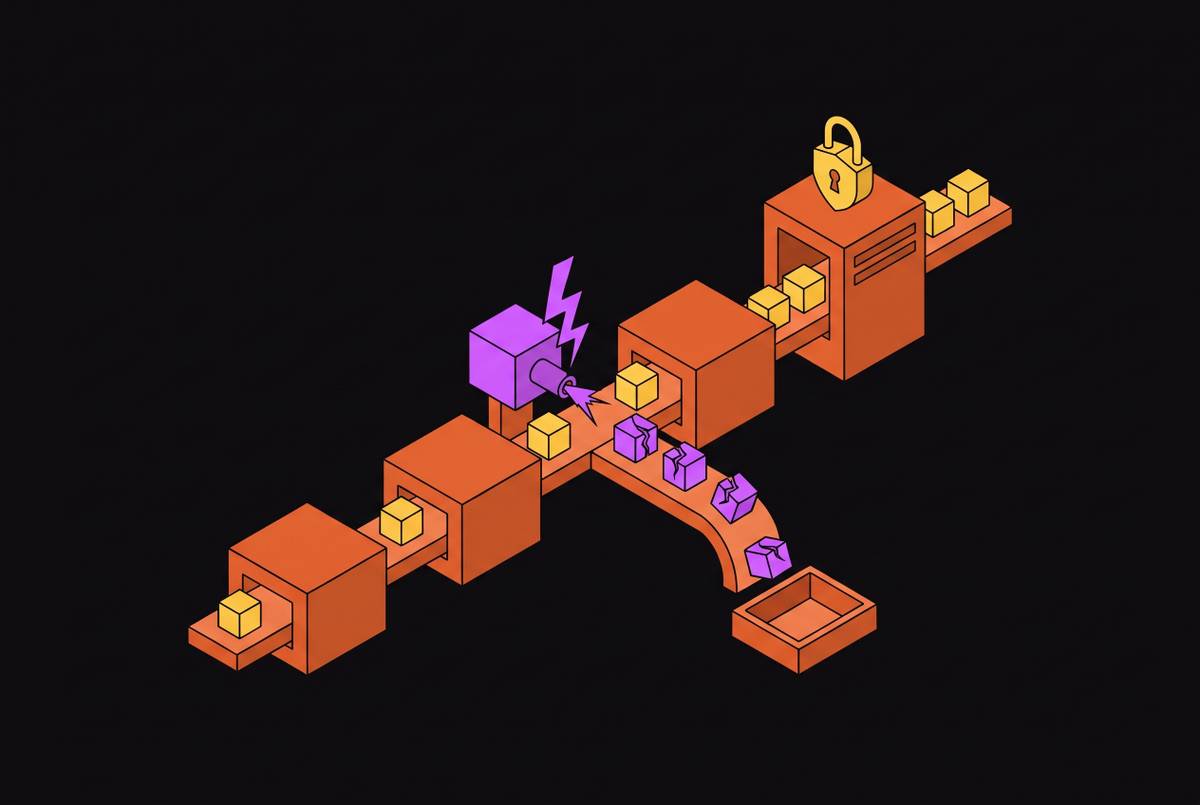
Other faults also depend on prior state. Token introspection can return 401 mid-sequence, a resource endpoint can return 503 only after a particular token has been issued, and an expired-token error can occur on the third call with a given token. A failed webhook delivery must go back into the delivery queue so the application gets a real retry. State makes the recovery observable. The suite can check whether access was rejected, whether the next attempt used valid credentials, and whether a repeated event was deduplicated.
For agents, the fault surface also includes content. A structurally valid 200 response with truncated tool_call arguments or malformed JSON in a field may bypass ordinary HTTP error handling. An OAuth-aware simulator therefore needs content-level injection as well as status-level faults when evaluating those tool calls. The surrounding token and resource state must still remain coherent, so the test measures recovery from the selected fault.
How AI agents and RL training environments inherit the same requirement for a stateful OAuth-aware simulator
An agent calling OAuth-gated tools inherits the same sequential obligations as any other client. It must obtain a token, present it on resource calls, refresh it when required, and recover when a call fails between steps. Those obligations span agent turns. A static mock cannot distinguish a valid retry from an attempt to reuse an already-consumed authorization code if it has forgotten the first exchange. Stateful evaluation can check which tool the agent chooses, how it builds parameters, and how it handles failures, as well as its final answer.
RL training extends this requirement across environment steps. Acquiring and refreshing tokens are testable skills, and rewards or penalties must reflect the token state left by earlier actions. The same action from the same state must produce the same next state for deterministic scenarios. Faults that can be controlled then allow reward shaping without waiting for a service to fail by chance. Containers can provide horizontal scale without sharing an external live-API quota, while each simulated environment keeps the state it needs for its rollout.
Live services work against those training requirements. Rate limits restrict environment steps, live credentials create audit trails for synthetic actions, and service variability can produce different observations across otherwise comparable rollouts. A simulator lets the environment control those conditions. Its value is not simply faster tool responses, but a consistent relationship between the agent’s action, the authorization state, and the next observation.
Building and maintaining the shared simulator in practice: scope decisions, pre-seeded data, and what good fidelity looks like
The minimum implementation needs an authorization endpoint that validates redirect_uri and issues PKCE-bound codes, plus a token endpoint that exchanges codes and manages access and refresh tokens. Rotation and revocation must change the ledger used by later calls. Introspection must return token validity and scope claims so the resource server can enforce them. At least one resource endpoint must demonstrate that enforcement. Event-driven flows also need webhook machinery that queues deliveries, retries failures, and records acknowledgments.
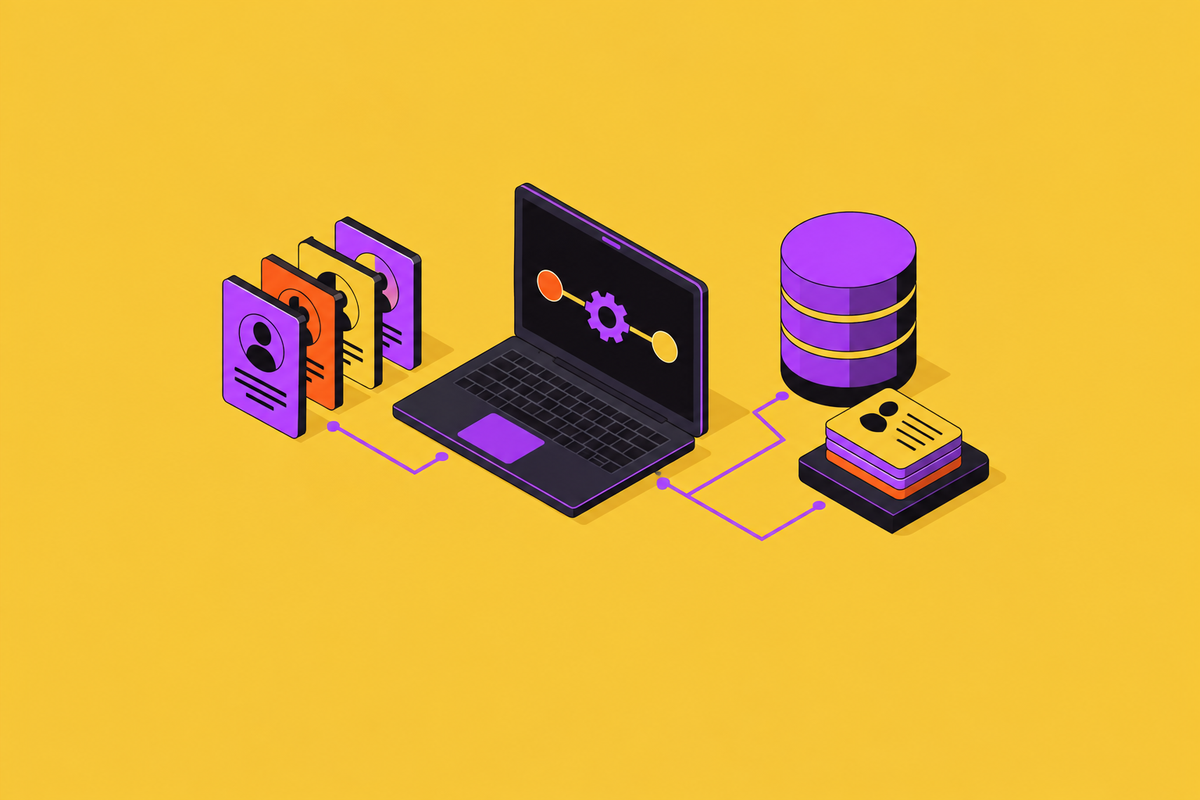
With an empty resource ledger, every test has to build its own history before it can check the behavior under test. Cohesive records let tests begin with customers, charges, webhooks, and messages whose relationships already make sense. Cross-API fixtures need the same coherence. Representing the same fictional client as a Stripe customer, a Slack workspace member, and a PayPal payer lets integration assertions reflect application behavior.
Good fidelity must remain open to inspection. Published per-endpoint pass rates give teams a versioned basis for deciding which test categories can rely on the simulator and which require live-API confirmation. Those scores complement the state model rather than replace it, because a well-designed ledger can still implement outdated behavior. Shared infrastructure earns long-term trust when its behavioral claims are measured and its changes are visible.